Everything You Should Know About Back Decompression Therapy
Wiki Article
Discovering Spinal Decompression Strategies: What You Need to Know for Better Spine Treatment
Spinal decompression strategies are essential for individuals experiencing persistent neck and back pain or spinal problems. These techniques vary from non-invasive treatments to medical alternatives, each developed to soothe pressure on the spine. Understanding these techniques is very important for effective back treatment. Not all methods are suitable for every condition. The subtleties behind each method warrant more detailed evaluation, as they can significantly affect healing and overall health and wellness outcomes. What elements should one take into consideration before choosing?Recognizing Spinal Decompression
Although spinal decompression may sound complicated, it fundamentally refers to a range of strategies focused on reducing stress on the spine and surrounding nerves. Back Decompression Therapy. The spine is a critical framework that sustains the body and safeguards vital neurological paths. When compression takes place, it can cause pain, pain, and reduced flexibility. Recognizing spinal decompression entails recognizing the root causes of this stress, such as herniated discs, spinal stenosis, or injury. By resolving these underlying problems, decompression methods seek to bring back appropriate alignment and feature. This procedure can involve both medical and non-surgical methods, tailored to individual patient needs. The objective is to enhance the quality of life by relieving pain, boosting posture, and helping with much better movement. As recognition of spinal health grows, the value of understanding spinal decompression ends up being progressively appropriate for those seeking efficient therapy alternativesUsual Spinal Decompression Techniques
Spinal decompression strategies encompass an array of methods created to soothe stress on the spine and its connected structures. These techniques can be generally classified right into medical and non-surgical approaches. Non-surgical approaches include spinal grip, where mild drawing pressures are applied to the spine, creating room between vertebrae. This can alleviate nerve compression and promote recovery. Chiropractic care changes likewise fall under this group, concentrating on realigning the spinal column to improve function.Surgical decompression techniques involve treatments such as laminectomy, where a part of the vertebra is eliminated to eliminate pressure on the spine or nerves. Discectomy, an additional medical option, requires the elimination of herniated disc material. In addition, minimally intrusive methods, like endoscopic discectomy, are getting appeal as a result of their lowered recovery times. Each strategy offers a specific objective and might be chosen based upon specific client demands and the seriousness of their spinal condition.
Advantages of Spinal Decompression
When thinking about the different techniques to managing spinal issues, the benefits of spinal decompression techniques come to be obvious. These approaches aim to soothe stress on the spinal discs and nerves, which can alleviate discomfort and boost overall spinal health. By developing area between vertebrae, decompression promotes enhanced blood circulation and nutrient flow to the affected areas, facilitating healing and recovery.Furthermore, spinal decompression can aid bring back the all-natural positioning of the spine, potentially decreasing the risk of future injuries. People often report raised wheelchair and adaptability list below treatment, bring about an enhanced quality of life. Additionally, the decrease in pressure can decrease symptoms connected with problems such as herniated discs, sciatica, and spinal stenosis, supplying a non-invasive alternative to more intrusive procedures. On the whole, spinal decompression techniques offer a variety of therapeutic and physical advantages, making them an important component of considerable spine treatment.
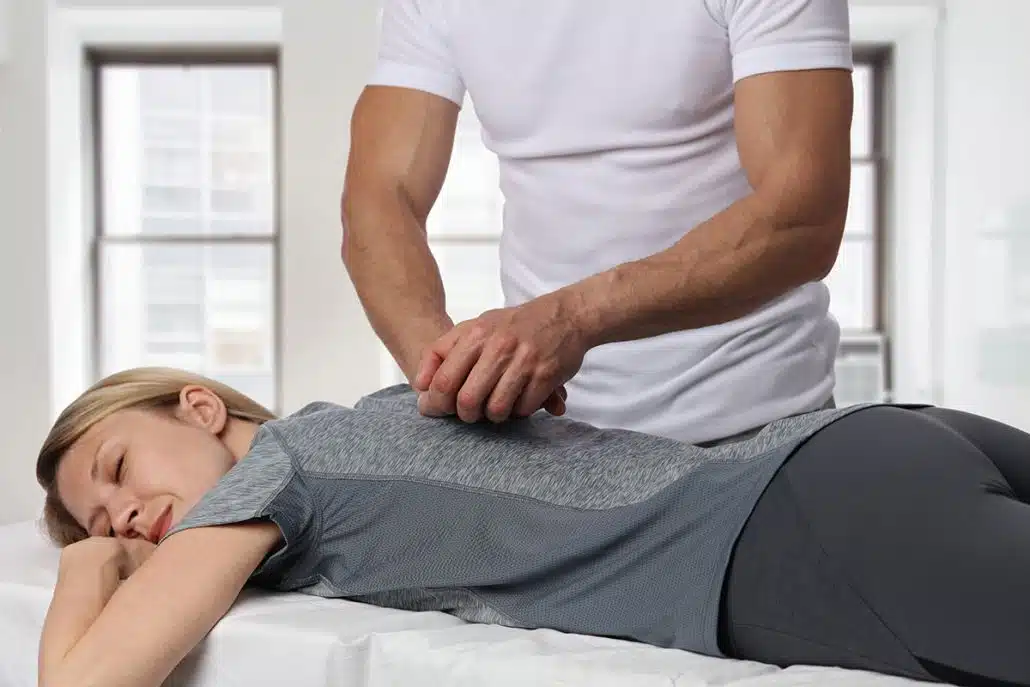
That Can Profit From Spinal Decompression?
Individuals experiencing from persistent back discomfort, herniated discs, or spinal constriction may locate considerable relief through spinal decompression techniques. This non-invasive treatment can be specifically beneficial for those experiencing nerve compression signs, such as tingling, tingling, or weakness in the arm or legs. Athletes recovering from injuries or people with degenerative disc disease might additionally take into consideration spinal decompression as a practical alternative for pain monitoring and enhanced wheelchair.Candidates for spinal decompression usually consist of those that have not responded well to conventional treatments, such as medications or physical therapy. It can likewise serve as an alternative for clients seeking to prevent surgical intervention. Overall, spinal decompression strategies can provide a restorative alternative for numerous individuals encountering spinal concerns, helping them reclaim a better of life and functional capacity. Consulting a medical care expert is vital to identify the suitability of this therapy for details problems.
Factors to consider and Precautions for Spinal Decompression

The sort of spinal decompression strategy-- whether non-surgical or medical-- ought to align with the individual's specific problem and overall health and wellness status. Tracking during the procedure is vital to attend to any type of negative responses immediately. Patients must likewise understand that spinal decompression is not a one-size-fits-all remedy; a comprehensive therapy plan might include physical treatment or way of living changes to support recovery. Generally, adhering to these preventative measures can considerably boost the efficacy of spinal decompression treatments and promote suitable spine health.

Frequently Asked Concerns
How much time Does a Common Spinal Decompression Session Last?
A normal spinal decompression read more session lasts between 30 to 45 minutes. This duration enables for optimal therapy while making sure the client remains comfy and gets appropriate attention to their certain spinal concerns and demands.Can Spinal Decompression Be Done at Home?
Spinal decompression can be carried out in the house via certain exercises and tools, such as inversion tables or lumbar braces. Nevertheless, assessment with a medical care professional is suggested to guarantee safety and performance in private situations.Is Spinal Decompression Painful?
Spinal decompression is normally not painful; however, individuals might experience mild pain or stress throughout the treatment. Discomfort levels can differ based on the person's problem and the method used for decompression.The Number Of Sessions Are Generally Needed for Relief?
Generally, people might call for 6 to 10 sessions of spinal decompression treatment to experience considerable alleviation (Back Decompression Therapy). Nevertheless, the precise number can vary based on specific problems and feedbacks to therapy, demanding personalized analysis by healthcare expertsExist Any Age Limitations for Spinal Decompression?
There are generally no rigorous age limitations for spinal decompression treatment. However, viability may depend upon private health problems and the details strategy made use of, so consultation with a health care professional is suggested for individualized guidance.Spinal decompression methods are necessary for individuals experiencing persistent back discomfort or spinal issues. Spinal decompression might seem facility, it essentially refers to a variety of techniques aimed at relieving stress on the spinal cable and surrounding nerves. When considering the various techniques to handling spinal problems, the advantages of spinal decompression techniques end up being obvious. Individuals suffering from persistent back pain, herniated discs, or spinal stenosis may locate substantial relief with spinal decompression strategies. On the whole, spinal decompression strategies can provide a therapeutic alternative for different people encountering spinal problems, helping them gain back a higher high quality of life and functional capacity.
Report this wiki page